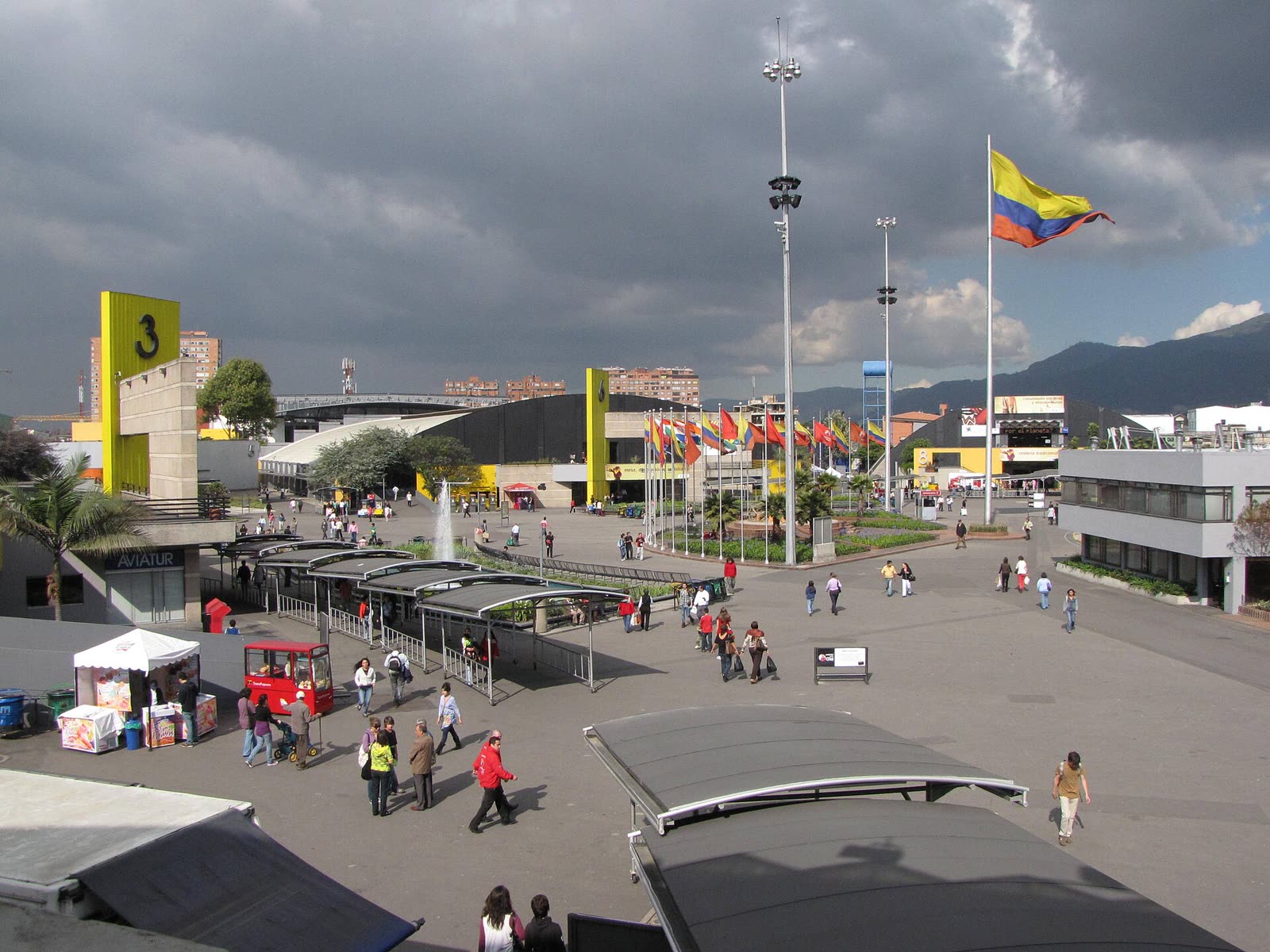
Photo: Felipe Restrepo Acosta, CC BY-SA 3.0, via Wikimedia Commons
Bogotá weather is cool highland weather and almost identical all year: highs between 18 and 20 °C and lows between 6 and 10 °C, according to long-term averages from IDEAM, Colombia's meteorological institute. The city has no seasons; what changes is the rain, in a bimodal pattern with two rainy spells (March–May and September–November) and two drier ones (December–February and June–August).
In other words: you do not pack for a season, you pack for a day that may bring strong sun at noon, a downpour at four in the afternoon and cold at eight at night. This guide tells you what to expect each month and how to pack without overdoing it.
At 2,640 metres above sea level and close to the equator, Bogotá receives practically the same amount of daylight all year. That keeps temperatures stable and removes the seasons. When a local says "winter" they mean the rainy season, and "summer" means the dry season: nothing to do with cold or heat.
The real variation happens within a single day rather than between months. The gap between the warmest and coldest hour can exceed 10 °C, and in the dry months that swing is even wider because clear nights cool down faster.
| Month | Season | What to expect |
|---|---|---|
| January | Dry | Sunny days and cold nights. A good month for clear views of the mountains. |
| February | Dry | Similar to January, with a little more cloud towards the end of the month. |
| March | Rains begin | Afternoon showers start. Mornings are still bright. |
| April | Rainy | One of the wettest months of the year. A raincoat is essential. |
| May | Rainy | Frequent rain, especially in the afternoon and evening. |
| June | Turning dry | Less rain and more wind. Cool afternoons. |
| July | Dry | Windy with changeable skies; one of the least rainy months. |
| August | Dry | Wind and sun. The traditional kite season in the city parks. |
| September | Rains begin | Afternoon downpours return. |
| October | Rainy | One of the wettest months. Expect slower journeys. |
| November | Rainy | Frequent rain that eases towards the end of the month. |
| December | Dry | Cold, clear nights. Christmas lights across the city. |
Temperatures stay level in every month; what changes is how much and how often it rains. Even in the rainy season it rarely rains all day — the norm is intense, fairly short downpours, almost always in the afternoon.
If you want dry days and clear views, the best months are December, January and February, followed by July and August. If you are travelling for work or a trade fair, the season matters less: the Corferias calendar runs mostly from March to November and the city works just the same in the rain. In that case, prioritise being close to the venue over the forecast.
At 2,640 metres the body takes a couple of days to adjust. Mild fatigue, thirst or a light headache on arrival are normal. Drink more water than usual, go easy on alcohol the first day and do not schedule a demanding hike right after landing. Solar radiation is also higher: the midday sun burns even when the thermometer reads 19 °C.
Rain in Bogotá has one very concrete effect on your schedule: traffic slows down. So if you are coming for a fair or a congress, staying close to the venue changes the whole experience. SM Grand Hotel is 40 steps from Corferias and Ágora, so a downpour does not cost you an hour in traffic: it costs you crossing the street.
All our rooms have double-glazed windows — useful for noise as much as for the night chill — and the Vassco Gastro Bar handles dinner without leaving the hotel on evenings when you would rather stay dry. If this is your first trip to the city, our first time in Bogotá guide will help too.
Bogotá has a stable cool highland climate all year, with highs between 18 and 20 °C and lows between 6 and 10 °C according to long-term IDEAM averages. There are no seasons: the temperature varies more within a single day than between months.
The city has a bimodal pattern with two rainy spells: March–May and September–November. April, October and November tend to be the wettest months. The drier spells are December–February and June–August.
For dry days and clear mountain views, December, January and February are best, followed by July and August. If you are travelling for a fair or congress, the event calendar matters more than the weather, because the city runs normally during the rainy season too.
Yes, nights are cool all year, with lows usually dropping to between 6 and 10 °C. Always bring a jacket or a warm sweater for the evening, even if the day was sunny.
Yes, in any month of the year. A folding umbrella or a waterproof jacket handles most downpours, which tend to be intense but fairly short and most common in the afternoon.